Worklife.
Worklife.
An intelligence centre for serious leaders: clear signals, insight and evidence that turns ambiguity into action and advantage.

Beating Winter Malaise: Stay Productive During Dark Season
Game of Thrones, and its Song of Ice and Fire source material before it, connected with viewers around the globe for a variety of reasons. Arguably first among them was escapism. For an hour each week, viewers would disconnect from their lives and focus instead on this intoxicating fantasy realm, replete with magic, medieval brutality, and dragons. But even the most seemingly imaginative of otherworldly distractions requires some ties to everyday reality to land with an audience. For Games of Thrones, one such stark (and Stark) pronouncement that permeated the zeitgeist and became an everyday part of the cultural lexicon was the oft-repeated, ever-ominous assertion: Winter is coming. As clocks turn back in most of the western world, we must contend with the fact that, though we are still in the throes of autumn, winter has come, or at the very least is coming, bringing with it the annual productivity malaise that accompanies the season of darkness. Winter is the least productive season for businesses. That’s according to research from project management software company Redbooth, published in Forbes magazine1. The company analysed their data over a four-year period and found that in winter users completed 22.8% of their tasks on average, compared with 27.3% in the autumn, 25.4% in the summer and 24.5% in the spring. A report by British Summer Fruits2 found that during the colder months, 74% of people find it harder to get out of bed for work, while 37% are far more likely to call in sick. In A Christmas Carol, Charles Dickens proclaimed that, “Darkness is cheap.” Not, it seems, if you’re running a business contending with a seasonal productivity slump.
Shay Dalton

Rugby’s Uncomfortable Truths: Insights from Sam Peters
Sam Peters, a distinguished investigative journalist, has been instrumental in bringing the hidden dangers of concussions in sports, particularly rugby union, to the forefront of public consciousness. His relentless pursuit of truth has ignited essential conversations about player safety and challenged deeply ingrained cultural norms within the sport. In a recent episode of The 1% Podcast, we delved into the critical issues surrounding concussions in rugby and the urgent need for change.
Shay Dalton

Combatting Decision Fatigue
What milk do you want with your coffee? Which song of the millions at your fingertips do you want to start your day? Which of that growing stack of emails are you going to answer first? Choose this. Now that. Are you sure? And again. Choices, choices, decisions, decisions, all day, every day – and aren’t you feeling tired? By some estimates, adults today make 2,000 decisions an hour [1]. By others, 35,000 decisions a day [2]. Either way, it’s an overload. And it’s causing decision fatigue.
Shay Dalton

Rekindling Lost Passion: A Remedy for Low Motivation at Work
Sometimes, even the most passionate and dedicated individuals can experience a dip in motivation and passion for their work or career. If you find yourself in this situation, you’re not alone. The good news is that there are ways to rekindle your passion and reignite your drive to excel. In this post, we’ll explore some psychological theories of motivation and social psychology concepts that can provide practical advice for reigniting the spark in your professional life.
Shay Dalton

Charlie Munger: How Psychology Drives Business Success
In the world of investing, Charlie Munger is a legendary figure, celebrated for his sage-like wisdom and insightful aphorisms. As Warren Buffet’s right-hand man, his approach is a testament to the power of effective decision-making and wisdom, which he famously accredits to his ‘multi-disciplinary’ approach—a rich mosaic of insights from various academic disciplines, including applied, organisational, and social psychology. Munger’s perspective is unique and practical because he harnesses these theories and translates them into real-world applications. His approach forms an interesting amalgamation, merging business acumen with psychological theories—a powerful combination that leads to meaningful, insightful, and profitable decisions.
Shay Dalton

Manifestation: Life-Changing Practice or New Age Gaga?
Manifestation is just one amongst a number of self-betterment practices endorsed by high-flying celebrities and budding social media presences alike. Simply put, it is the process of achieving something – often a personal or professional goal – through the power of thought. Via visualisations, affirmations and other similar techniques, one can, according to its champions, make their dream life a reality. As Oprah Winfrey, one of manifestation’s most prominent advocates, put it to the class of Wellesley College in 1997, “Create the highest, grandest vision possible for your life because you become what you believe” [1]. Understandably, for every supporter of manifestation there is a detractor. Held up as a cousin or outright sibling of tarot reading, soothsaying and any other variety of pseudoscience, the notion that reality can be bent to one’s whims as if by Neo in The Matrix can be a hard pill to swallow. But does that mean the practice should be disregarded altogether? Does manifestation really offer life-changing benefits? Is it yet more self-improvement snake oil? Or does the truth lie somewhere in between? Let’s see.
Shay Dalton
Beating Winter Malaise: Stay Productive During Dark Season
Game of Thrones, and its Song of Ice and Fire source material before it, connected with viewers around the globe for a variety of reasons. Arguably first among them was escapism. For an hour each week, viewers would disconnect from their lives and focus instead on this intoxicating fantasy realm, replete with magic, medieval brutality, and dragons. But even the most seemingly imaginative of otherworldly distractions requires some ties to everyday reality to land with an audience. For Games of Thrones, one such stark (and Stark) pronouncement that permeated the zeitgeist and became an everyday part of the cultural lexicon was the oft-repeated, ever-ominous assertion: Winter is coming. As clocks turn back in most of the western world, we must contend with the fact that, though we are still in the throes of autumn, winter has come, or at the very least is coming, bringing with it the annual productivity malaise that accompanies the season of darkness. Winter is the least productive season for businesses. That’s according to research from project management software company Redbooth, published in Forbes magazine1. The company analysed their data over a four-year period and found that in winter users completed 22.8% of their tasks on average, compared with 27.3% in the autumn, 25.4% in the summer and 24.5% in the spring. A report by British Summer Fruits2 found that during the colder months, 74% of people find it harder to get out of bed for work, while 37% are far more likely to call in sick. In A Christmas Carol, Charles Dickens proclaimed that, “Darkness is cheap.” Not, it seems, if you’re running a business contending with a seasonal productivity slump.
Shay Dalton
Combatting Decision Fatigue
What milk do you want with your coffee? Which song of the millions at your fingertips do you want to start your day? Which of that growing stack of emails are you going to answer first? Choose this. Now that. Are you sure? And again. Choices, choices, decisions, decisions, all day, every day – and aren’t you feeling tired? By some estimates, adults today make 2,000 decisions an hour [1]. By others, 35,000 decisions a day [2]. Either way, it’s an overload. And it’s causing decision fatigue.
Shay Dalton
Charlie Munger: How Psychology Drives Business Success
In the world of investing, Charlie Munger is a legendary figure, celebrated for his sage-like wisdom and insightful aphorisms. As Warren Buffet’s right-hand man, his approach is a testament to the power of effective decision-making and wisdom, which he famously accredits to his ‘multi-disciplinary’ approach—a rich mosaic of insights from various academic disciplines, including applied, organisational, and social psychology. Munger’s perspective is unique and practical because he harnesses these theories and translates them into real-world applications. His approach forms an interesting amalgamation, merging business acumen with psychological theories—a powerful combination that leads to meaningful, insightful, and profitable decisions.
Shay Dalton
Rugby’s Uncomfortable Truths: Insights from Sam Peters
Sam Peters, a distinguished investigative journalist, has been instrumental in bringing the hidden dangers of concussions in sports, particularly rugby union, to the forefront of public consciousness. His relentless pursuit of truth has ignited essential conversations about player safety and challenged deeply ingrained cultural norms within the sport. In a recent episode of The 1% Podcast, we delved into the critical issues surrounding concussions in rugby and the urgent need for change.
Shay Dalton
Rekindling Lost Passion: A Remedy for Low Motivation at Work
Sometimes, even the most passionate and dedicated individuals can experience a dip in motivation and passion for their work or career. If you find yourself in this situation, you’re not alone. The good news is that there are ways to rekindle your passion and reignite your drive to excel. In this post, we’ll explore some psychological theories of motivation and social psychology concepts that can provide practical advice for reigniting the spark in your professional life.
Shay Dalton
Manifestation: Life-Changing Practice or New Age Gaga?
Manifestation is just one amongst a number of self-betterment practices endorsed by high-flying celebrities and budding social media presences alike. Simply put, it is the process of achieving something – often a personal or professional goal – through the power of thought. Via visualisations, affirmations and other similar techniques, one can, according to its champions, make their dream life a reality. As Oprah Winfrey, one of manifestation’s most prominent advocates, put it to the class of Wellesley College in 1997, “Create the highest, grandest vision possible for your life because you become what you believe” [1]. Understandably, for every supporter of manifestation there is a detractor. Held up as a cousin or outright sibling of tarot reading, soothsaying and any other variety of pseudoscience, the notion that reality can be bent to one’s whims as if by Neo in The Matrix can be a hard pill to swallow. But does that mean the practice should be disregarded altogether? Does manifestation really offer life-changing benefits? Is it yet more self-improvement snake oil? Or does the truth lie somewhere in between? Let’s see.
Shay Dalton
Beating Winter Malaise: Stay Productive During Dark Season
Game of Thrones, and its Song of Ice and Fire source material before it, connected with viewers around the globe for a variety of reasons. Arguably first among them was escapism. For an hour each week, viewers would disconnect from their lives and focus instead on this intoxicating fantasy realm, replete with magic, medieval brutality, and dragons. But even the most seemingly imaginative of otherworldly distractions requires some ties to everyday reality to land with an audience. For Games of Thrones, one such stark (and Stark) pronouncement that permeated the zeitgeist and became an everyday part of the cultural lexicon was the oft-repeated, ever-ominous assertion: Winter is coming. As clocks turn back in most of the western world, we must contend with the fact that, though we are still in the throes of autumn, winter has come, or at the very least is coming, bringing with it the annual productivity malaise that accompanies the season of darkness. Winter is the least productive season for businesses. That’s according to research from project management software company Redbooth, published in Forbes magazine1. The company analysed their data over a four-year period and found that in winter users completed 22.8% of their tasks on average, compared with 27.3% in the autumn, 25.4% in the summer and 24.5% in the spring. A report by British Summer Fruits2 found that during the colder months, 74% of people find it harder to get out of bed for work, while 37% are far more likely to call in sick. In A Christmas Carol, Charles Dickens proclaimed that, “Darkness is cheap.” Not, it seems, if you’re running a business contending with a seasonal productivity slump.
Shay Dalton
Charlie Munger: How Psychology Drives Business Success
In the world of investing, Charlie Munger is a legendary figure, celebrated for his sage-like wisdom and insightful aphorisms. As Warren Buffet’s right-hand man, his approach is a testament to the power of effective decision-making and wisdom, which he famously accredits to his ‘multi-disciplinary’ approach—a rich mosaic of insights from various academic disciplines, including applied, organisational, and social psychology. Munger’s perspective is unique and practical because he harnesses these theories and translates them into real-world applications. His approach forms an interesting amalgamation, merging business acumen with psychological theories—a powerful combination that leads to meaningful, insightful, and profitable decisions.
Shay Dalton
Rekindling Lost Passion: A Remedy for Low Motivation at Work
Sometimes, even the most passionate and dedicated individuals can experience a dip in motivation and passion for their work or career. If you find yourself in this situation, you’re not alone. The good news is that there are ways to rekindle your passion and reignite your drive to excel. In this post, we’ll explore some psychological theories of motivation and social psychology concepts that can provide practical advice for reigniting the spark in your professional life.
Shay Dalton
Combatting Decision Fatigue
What milk do you want with your coffee? Which song of the millions at your fingertips do you want to start your day? Which of that growing stack of emails are you going to answer first? Choose this. Now that. Are you sure? And again. Choices, choices, decisions, decisions, all day, every day – and aren’t you feeling tired? By some estimates, adults today make 2,000 decisions an hour [1]. By others, 35,000 decisions a day [2]. Either way, it’s an overload. And it’s causing decision fatigue.
Shay Dalton
Rugby’s Uncomfortable Truths: Insights from Sam Peters
Sam Peters, a distinguished investigative journalist, has been instrumental in bringing the hidden dangers of concussions in sports, particularly rugby union, to the forefront of public consciousness. His relentless pursuit of truth has ignited essential conversations about player safety and challenged deeply ingrained cultural norms within the sport. In a recent episode of The 1% Podcast, we delved into the critical issues surrounding concussions in rugby and the urgent need for change.
Shay Dalton
Manifestation: Life-Changing Practice or New Age Gaga?
Manifestation is just one amongst a number of self-betterment practices endorsed by high-flying celebrities and budding social media presences alike. Simply put, it is the process of achieving something – often a personal or professional goal – through the power of thought. Via visualisations, affirmations and other similar techniques, one can, according to its champions, make their dream life a reality. As Oprah Winfrey, one of manifestation’s most prominent advocates, put it to the class of Wellesley College in 1997, “Create the highest, grandest vision possible for your life because you become what you believe” [1]. Understandably, for every supporter of manifestation there is a detractor. Held up as a cousin or outright sibling of tarot reading, soothsaying and any other variety of pseudoscience, the notion that reality can be bent to one’s whims as if by Neo in The Matrix can be a hard pill to swallow. But does that mean the practice should be disregarded altogether? Does manifestation really offer life-changing benefits? Is it yet more self-improvement snake oil? Or does the truth lie somewhere in between? Let’s see.
Shay Dalton
The 1% Podcast
The 1% Podcast brings together the 3Ps of People, Professionals and Performance to extract the tactics, tools and routines you can use to get 1% better and achieve success.

Podcast
Neuroscientist Dr. Mithu Storoni’s Playbook For Optimising Brain Function – Boosting Mental Performance, Easing Stress, and Powering How We Live, Learn, and Create
Fuschia Sirois, PhD, is a Professor of Social and Health Psychology at Durham University and a former Canada Research Chair in Health and Well-being. Her research focuses on understanding the psychological factors and qualities that influence risk or resilience for physical health and well-being outcomes through self-regulation and emotions.
For over 20 years, she has studied the causes and consequences of procrastination, particularly its health effects, and how emotions play a key role in why people procrastinate. Her research also explores the role of positive psychology traits, states, and interventions in supporting self-regulation and enhancing health and well-being.
She has authored over 120 peer-reviewed journal papers, presented over 200 conference papers, edited two books, and in 2022 released her first book, Procrastination: What It Is, Why It’s a Problem, and What You Can Do About It.

Podcast
The Procrastination Paradox: Why We Wait and How to Change Copy
Fuschia Sirois, PhD, is a Professor of Social and Health Psychology at Durham University and a former Canada Research Chair in Health and Well-being. Her research focuses on understanding the psychological factors and qualities that influence risk or resilience for physical health and well-being outcomes through self-regulation and emotions.
For over 20 years, she has studied the causes and consequences of procrastination, particularly its health effects, and how emotions play a key role in why people procrastinate. Her research also explores the role of positive psychology traits, states, and interventions in supporting self-regulation and enhancing health and well-being.
She has authored over 120 peer-reviewed journal papers, presented over 200 conference papers, edited two books, and in 2022 released her first book, Procrastination: What It Is, Why It’s a Problem, and What You Can Do About It.

Podcast
Turning Climate Anxiety Into Climate Action with Dr. Tara Shine
Fuschia Sirois, PhD, is a Professor of Social and Health Psychology at Durham University and a former Canada Research Chair in Health and Well-being. Her research focuses on understanding the psychological factors and qualities that influence risk or resilience for physical health and well-being outcomes through self-regulation and emotions.
For over 20 years, she has studied the causes and consequences of procrastination, particularly its health effects, and how emotions play a key role in why people procrastinate. Her research also explores the role of positive psychology traits, states, and interventions in supporting self-regulation and enhancing health and well-being.
She has authored over 120 peer-reviewed journal papers, presented over 200 conference papers, edited two books, and in 2022 released her first book, Procrastination: What It Is, Why It’s a Problem, and What You Can Do About It.
Podcast
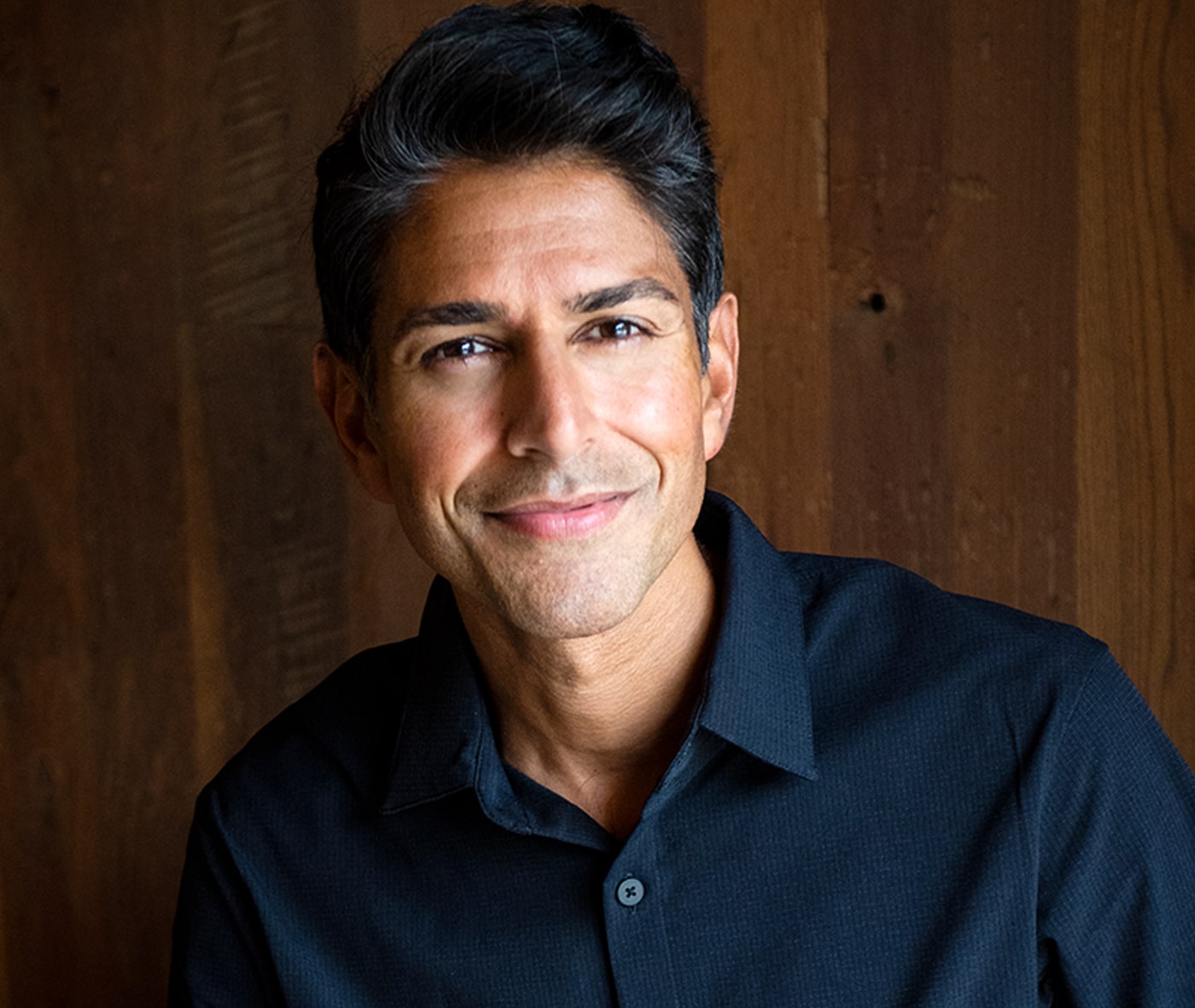
The Work-Life Blueprint: Harnessing Purpose for Professional Growth with Suneel Gupta
Once seen as the "Face of Failure" in the New York Times, Suneel Gupta understands that the road to success is not always smooth. Suneel learned from his mistakes and went on to become a founding CEO of RISE, a breakthrough wellness company named App of the Year by Apple, that partnered with First Lady Michelle Obama to deliver low-cost health coaching to people in need.
Now a bestselling author, renowned speaker, Harvard Medical School visiting scholar, and host of an Amazon Prime documentary series, Suneel studies leaders around the world to discover and share simple, actionable habits that lift our performance and deepen our state of well-being.
Podcast
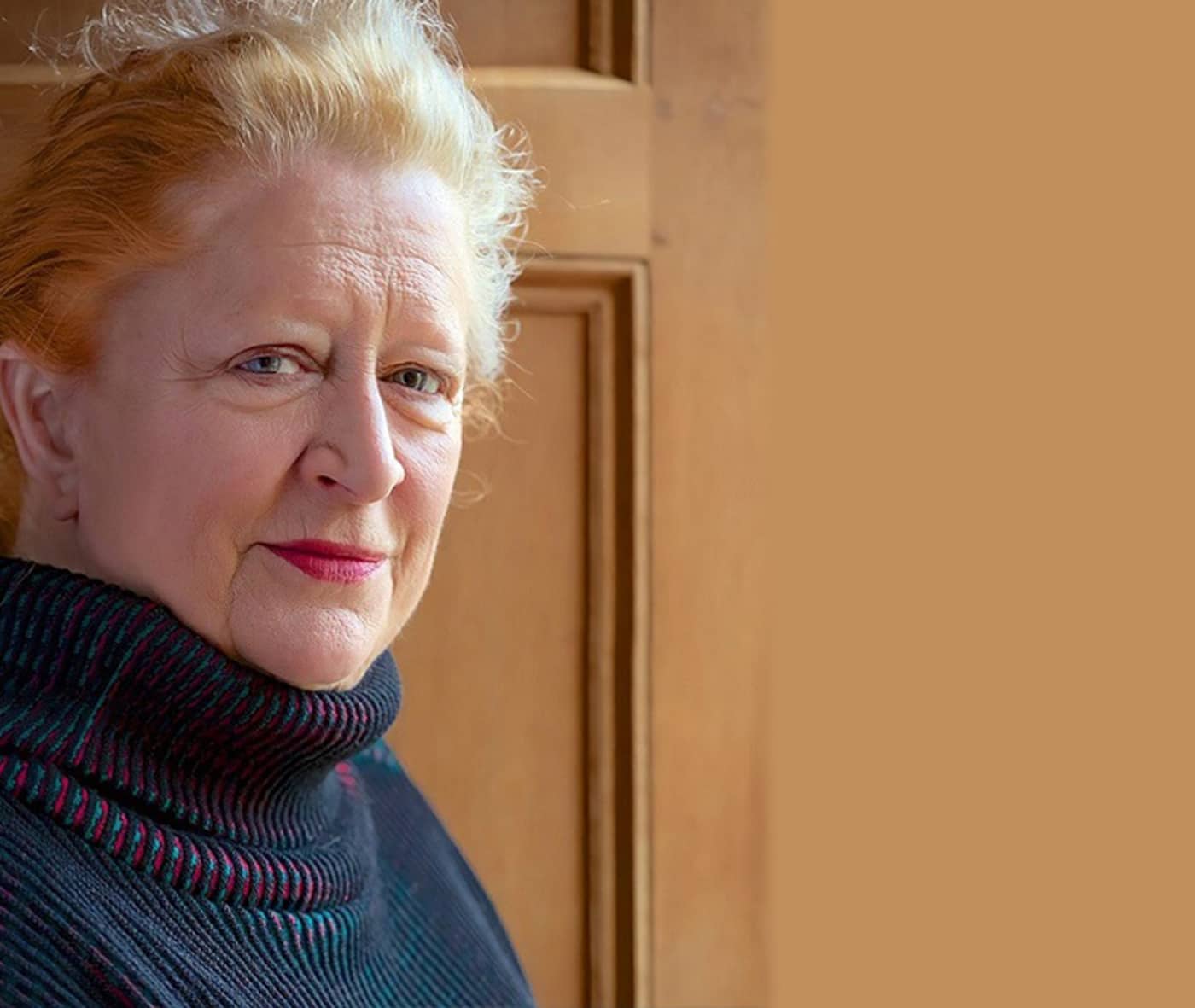
The Power of Uncertainty: Why Letting Go of Certainty Fuels Creativity and Success
Margaret Heffernan is a pioneering business leader, author, and thinker who has transformed the way we approach leadership, innovation, and uncertainty. She began her career producing TV and radio for the BBC before going on to become CEO of several US companies. She was named one of the “Top 100 Media Executives” by The Hollywood Reporter.
Margaret is currently a Professor of Practice at the University of Bath School of Management, and in 2023, she was inducted into the Thinkers50 Hall of Fame for her enduring contribution to management thinking. She has authored several bestsellers, including A Bigger Prize, Uncharted, and Willful Blindness, which was recognised as one of the most important business books of the decade by the Financial Times.
In her writing, Margaret challenges conventional business wisdom and advocates for collaboration, creativity, and resilience in an unpredictable world. Her TED talks have garnered over fifteen million views globally, sparking discussions on why we ignore obvious risks and how small organisational changes can lead to profound results. Her new book, Embracing Uncertainty, was published in March 2025.

Podcast
Radical Self-inquiry with Jerry Colonna
Former American venture capitalist and once named a "Prince of New York" by New York Magazine, Jerry Colonna faced a profound depression that compelled him to confront his inner demons through what he calls "radical self-inquiry." This transformative process led him to Buddhism and leadership coaching. Now a certified professional coach and author, Jerry leverages his diverse experiences to help clients design more conscious lives and make meaningful changes to their careers, enhancing both performance and satisfaction.
He has been recognised on Upside magazine's list of the 100 Most Influential People of the New Economy and Forbes' list of the best VCs in the U.S. Jerry is the co-founder and CEO of Reboot, an executive coaching and leadership development company, and hosts the Reboot Podcast. His best-selling books, 2019's Reboot and last year's Reunion, delve into the process of radical self-inquiry and how we can become better leaders by becoming better people.
Podcast
Neuroscientist Dr. Mithu Storoni’s Playbook For Optimising Brain Function – Boosting Mental Performance, Easing Stress, and Powering How We Live, Learn, and Create
Fuschia Sirois, PhD, is a Professor of Social and Health Psychology at Durham University and a former Canada Research Chair in Health and Well-being. Her research focuses on understanding the psychological factors and qualities that influence risk or resilience for physical health and well-being outcomes through self-regulation and emotions.
For over 20 years, she has studied the causes and consequences of procrastination, particularly its health effects, and how emotions play a key role in why people procrastinate. Her research also explores the role of positive psychology traits, states, and interventions in supporting self-regulation and enhancing health and well-being.
She has authored over 120 peer-reviewed journal papers, presented over 200 conference papers, edited two books, and in 2022 released her first book, Procrastination: What It Is, Why It’s a Problem, and What You Can Do About It.
Podcast
Turning Climate Anxiety Into Climate Action with Dr. Tara Shine
Fuschia Sirois, PhD, is a Professor of Social and Health Psychology at Durham University and a former Canada Research Chair in Health and Well-being. Her research focuses on understanding the psychological factors and qualities that influence risk or resilience for physical health and well-being outcomes through self-regulation and emotions.
For over 20 years, she has studied the causes and consequences of procrastination, particularly its health effects, and how emotions play a key role in why people procrastinate. Her research also explores the role of positive psychology traits, states, and interventions in supporting self-regulation and enhancing health and well-being.
She has authored over 120 peer-reviewed journal papers, presented over 200 conference papers, edited two books, and in 2022 released her first book, Procrastination: What It Is, Why It’s a Problem, and What You Can Do About It.
Podcast
The Power of Uncertainty: Why Letting Go of Certainty Fuels Creativity and Success
Margaret Heffernan is a pioneering business leader, author, and thinker who has transformed the way we approach leadership, innovation, and uncertainty. She began her career producing TV and radio for the BBC before going on to become CEO of several US companies. She was named one of the “Top 100 Media Executives” by The Hollywood Reporter.
Margaret is currently a Professor of Practice at the University of Bath School of Management, and in 2023, she was inducted into the Thinkers50 Hall of Fame for her enduring contribution to management thinking. She has authored several bestsellers, including A Bigger Prize, Uncharted, and Willful Blindness, which was recognised as one of the most important business books of the decade by the Financial Times.
In her writing, Margaret challenges conventional business wisdom and advocates for collaboration, creativity, and resilience in an unpredictable world. Her TED talks have garnered over fifteen million views globally, sparking discussions on why we ignore obvious risks and how small organisational changes can lead to profound results. Her new book, Embracing Uncertainty, was published in March 2025.
Podcast
The Procrastination Paradox: Why We Wait and How to Change Copy
Fuschia Sirois, PhD, is a Professor of Social and Health Psychology at Durham University and a former Canada Research Chair in Health and Well-being. Her research focuses on understanding the psychological factors and qualities that influence risk or resilience for physical health and well-being outcomes through self-regulation and emotions.
For over 20 years, she has studied the causes and consequences of procrastination, particularly its health effects, and how emotions play a key role in why people procrastinate. Her research also explores the role of positive psychology traits, states, and interventions in supporting self-regulation and enhancing health and well-being.
She has authored over 120 peer-reviewed journal papers, presented over 200 conference papers, edited two books, and in 2022 released her first book, Procrastination: What It Is, Why It’s a Problem, and What You Can Do About It.
Podcast
The Work-Life Blueprint: Harnessing Purpose for Professional Growth with Suneel Gupta
Once seen as the "Face of Failure" in the New York Times, Suneel Gupta understands that the road to success is not always smooth. Suneel learned from his mistakes and went on to become a founding CEO of RISE, a breakthrough wellness company named App of the Year by Apple, that partnered with First Lady Michelle Obama to deliver low-cost health coaching to people in need.
Now a bestselling author, renowned speaker, Harvard Medical School visiting scholar, and host of an Amazon Prime documentary series, Suneel studies leaders around the world to discover and share simple, actionable habits that lift our performance and deepen our state of well-being.
Podcast
Radical Self-inquiry with Jerry Colonna
Former American venture capitalist and once named a "Prince of New York" by New York Magazine, Jerry Colonna faced a profound depression that compelled him to confront his inner demons through what he calls "radical self-inquiry." This transformative process led him to Buddhism and leadership coaching. Now a certified professional coach and author, Jerry leverages his diverse experiences to help clients design more conscious lives and make meaningful changes to their careers, enhancing both performance and satisfaction.
He has been recognised on Upside magazine's list of the 100 Most Influential People of the New Economy and Forbes' list of the best VCs in the U.S. Jerry is the co-founder and CEO of Reboot, an executive coaching and leadership development company, and hosts the Reboot Podcast. His best-selling books, 2019's Reboot and last year's Reunion, delve into the process of radical self-inquiry and how we can become better leaders by becoming better people.
Podcast
Neuroscientist Dr. Mithu Storoni’s Playbook For Optimising Brain Function – Boosting Mental Performance, Easing Stress, and Powering How We Live, Learn, and Create
Fuschia Sirois, PhD, is a Professor of Social and Health Psychology at Durham University and a former Canada Research Chair in Health and Well-being. Her research focuses on understanding the psychological factors and qualities that influence risk or resilience for physical health and well-being outcomes through self-regulation and emotions.
For over 20 years, she has studied the causes and consequences of procrastination, particularly its health effects, and how emotions play a key role in why people procrastinate. Her research also explores the role of positive psychology traits, states, and interventions in supporting self-regulation and enhancing health and well-being.
She has authored over 120 peer-reviewed journal papers, presented over 200 conference papers, edited two books, and in 2022 released her first book, Procrastination: What It Is, Why It’s a Problem, and What You Can Do About It.
Podcast
The Power of Uncertainty: Why Letting Go of Certainty Fuels Creativity and Success
Margaret Heffernan is a pioneering business leader, author, and thinker who has transformed the way we approach leadership, innovation, and uncertainty. She began her career producing TV and radio for the BBC before going on to become CEO of several US companies. She was named one of the “Top 100 Media Executives” by The Hollywood Reporter.
Margaret is currently a Professor of Practice at the University of Bath School of Management, and in 2023, she was inducted into the Thinkers50 Hall of Fame for her enduring contribution to management thinking. She has authored several bestsellers, including A Bigger Prize, Uncharted, and Willful Blindness, which was recognised as one of the most important business books of the decade by the Financial Times.
In her writing, Margaret challenges conventional business wisdom and advocates for collaboration, creativity, and resilience in an unpredictable world. Her TED talks have garnered over fifteen million views globally, sparking discussions on why we ignore obvious risks and how small organisational changes can lead to profound results. Her new book, Embracing Uncertainty, was published in March 2025.
Podcast
The Work-Life Blueprint: Harnessing Purpose for Professional Growth with Suneel Gupta
Once seen as the "Face of Failure" in the New York Times, Suneel Gupta understands that the road to success is not always smooth. Suneel learned from his mistakes and went on to become a founding CEO of RISE, a breakthrough wellness company named App of the Year by Apple, that partnered with First Lady Michelle Obama to deliver low-cost health coaching to people in need.
Now a bestselling author, renowned speaker, Harvard Medical School visiting scholar, and host of an Amazon Prime documentary series, Suneel studies leaders around the world to discover and share simple, actionable habits that lift our performance and deepen our state of well-being.
Podcast
Turning Climate Anxiety Into Climate Action with Dr. Tara Shine
Fuschia Sirois, PhD, is a Professor of Social and Health Psychology at Durham University and a former Canada Research Chair in Health and Well-being. Her research focuses on understanding the psychological factors and qualities that influence risk or resilience for physical health and well-being outcomes through self-regulation and emotions.
For over 20 years, she has studied the causes and consequences of procrastination, particularly its health effects, and how emotions play a key role in why people procrastinate. Her research also explores the role of positive psychology traits, states, and interventions in supporting self-regulation and enhancing health and well-being.
She has authored over 120 peer-reviewed journal papers, presented over 200 conference papers, edited two books, and in 2022 released her first book, Procrastination: What It Is, Why It’s a Problem, and What You Can Do About It.
Podcast
The Procrastination Paradox: Why We Wait and How to Change Copy
Fuschia Sirois, PhD, is a Professor of Social and Health Psychology at Durham University and a former Canada Research Chair in Health and Well-being. Her research focuses on understanding the psychological factors and qualities that influence risk or resilience for physical health and well-being outcomes through self-regulation and emotions.
For over 20 years, she has studied the causes and consequences of procrastination, particularly its health effects, and how emotions play a key role in why people procrastinate. Her research also explores the role of positive psychology traits, states, and interventions in supporting self-regulation and enhancing health and well-being.
She has authored over 120 peer-reviewed journal papers, presented over 200 conference papers, edited two books, and in 2022 released her first book, Procrastination: What It Is, Why It’s a Problem, and What You Can Do About It.
Podcast
Radical Self-inquiry with Jerry Colonna
Former American venture capitalist and once named a "Prince of New York" by New York Magazine, Jerry Colonna faced a profound depression that compelled him to confront his inner demons through what he calls "radical self-inquiry." This transformative process led him to Buddhism and leadership coaching. Now a certified professional coach and author, Jerry leverages his diverse experiences to help clients design more conscious lives and make meaningful changes to their careers, enhancing both performance and satisfaction.
He has been recognised on Upside magazine's list of the 100 Most Influential People of the New Economy and Forbes' list of the best VCs in the U.S. Jerry is the co-founder and CEO of Reboot, an executive coaching and leadership development company, and hosts the Reboot Podcast. His best-selling books, 2019's Reboot and last year's Reunion, delve into the process of radical self-inquiry and how we can become better leaders by becoming better people.
Stay Ahead Every Sunday
Every Sunday we compile a digest of the weekend’s business news including the main talking points and highlights from
Stay Ahead Every Sunday
Every Sunday we compile a digest of the weekend’s business news including the main talking points and highlights from
Stay Ahead Every Sunday
Every Sunday we compile a digest of the weekend’s business news including the main talking points and highlights from